Few household pests cause as much discomfort as cockroaches. Just the sight of one scurrying across the floor or disappearing behind an appliance is enough to make most people uneasy. Over the years, many myths and superstitions have developed around these resilient insects, with some people believing that their appearance is a sign of bad luck, poor hygiene, or even an omen of future problems.
The truth is much less mysterious—but no less important. Cockroaches don’t invade homes because of luck or fate. Instead, they are attracted by conditions that provide what they need to survive: food, water, warmth, and shelter. Their presence can sometimes reveal hidden issues around the home that deserve attention, such as moisture problems, cracks in the structure, or easily accessible food sources.
Understanding why cockroaches enter homes is the first step toward preventing an infestation. In this guide, we’ll explore what cockroaches in your home may actually indicate, why they are so difficult to eliminate, and the most effective ways to keep them from becoming unwanted long-term guests.
What Does It Really Mean If Cockroaches Appear in Your Home?
Despite popular myths, cockroaches are not a supernatural sign or warning.
Instead, they usually indicate that your home provides one or more of the essentials they need:
- Food
- Water
- Warmth
- Shelter
Even a very clean home can occasionally attract cockroaches if these conditions are present.
They May Be Looking for Food
Cockroaches are opportunistic scavengers.
They feed on almost anything, including:
- Crumbs
- Pet food
- Grease
- Sugar
- Fruit
- Bread
- Cardboard
- Paper
- Glue
- Food residue inside bins
Tiny crumbs behind appliances or under cabinets can provide enough food for cockroaches to survive for weeks.
Moisture Is a Major Attraction
One of the strongest reasons cockroaches enter homes is access to water.
They are especially attracted to:
- Leaking pipes
- Damp basements
- Wet kitchens
- Bathroom sinks
- Condensation around appliances
- Standing water
Some cockroach species can survive for weeks without food but only a short time without water.
Fixing leaks is one of the most effective ways to discourage them.
Warmth Encourages Cockroach Activity
Cockroaches thrive in warm environments.
Common hiding places include:
- Behind refrigerators
- Under ovens
- Near water heaters
- Inside wall voids
- Under sinks
- Behind cabinets
These areas provide both warmth and protection.
They Need Safe Hiding Places
Cockroaches spend most of the day hidden from view.
They prefer narrow, dark spaces where they feel protected.
Examples include:
- Cracks in walls
- Gaps beneath cabinets
- Storage boxes
- Cluttered closets
- Cardboard boxes
- Crawl spaces
Reducing clutter removes many potential hiding places.
Does Seeing One Cockroach Mean You Have an Infestation?
Not necessarily.
Occasionally, a single cockroach may wander indoors from outside.
However, repeated sightings—especially during the day—can suggest a larger population hidden nearby.
Cockroaches are mostly nocturnal, so daytime activity may indicate overcrowding in their usual hiding spots.
Why Cockroaches Are So Difficult to Eliminate
Cockroaches have survived for millions of years because they are incredibly adaptable.
They can:
- Hide in tiny cracks
- Reproduce quickly
- Survive on very little food
- Avoid many dangers
- Adapt to changing environments
Some species can even survive for weeks with limited resources.
Common Types of Household Cockroaches
Several species commonly invade homes.
German Cockroach
The most common indoor species.
They reproduce rapidly and are frequently found in kitchens and bathrooms.
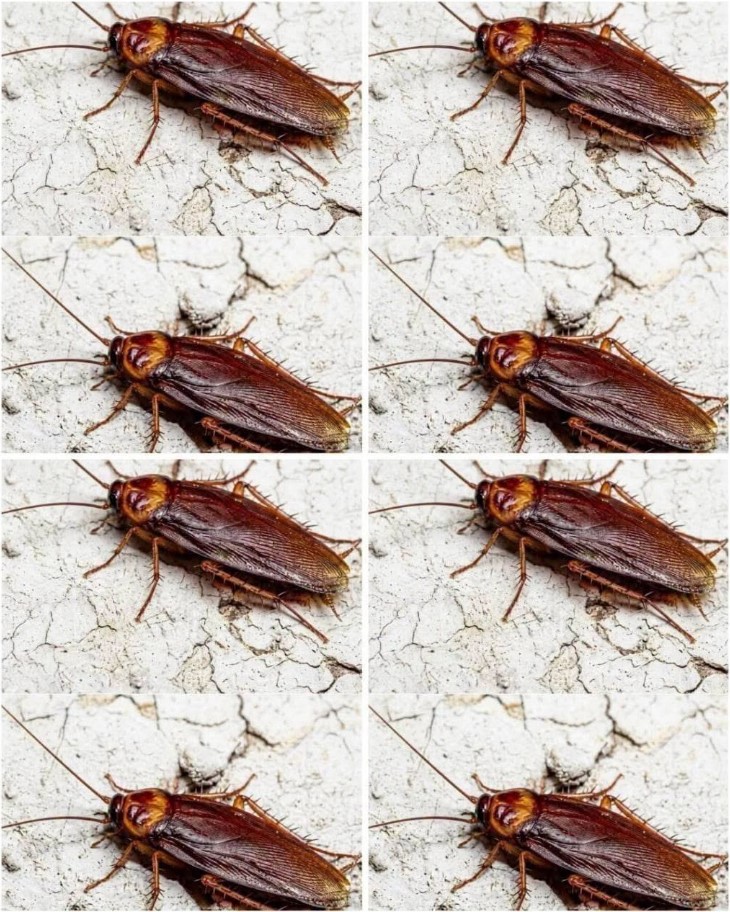
American Cockroach
Larger than most species, they often enter homes through drains, basements, or garages.
Oriental Cockroach
Prefers cool, damp locations such as crawl spaces and basements.
Brown-Banded Cockroach
Often hides in furniture, closets, and higher areas of the home.
Health Concerns
Cockroaches do not usually bite people, but they can create health concerns.
They may carry bacteria picked up from:
- Drains
- Garbage
- Sewers
- Decaying organic matter
Their droppings, shed skins, and body parts can also trigger allergies or worsen asthma symptoms, particularly in children and sensitive individuals.
Signs You May Have a Larger Problem
Besides seeing live cockroaches, watch for:
- Small dark droppings
- Egg cases (oothecae)
- Musty odours
- Shed skins
- Smear marks along walls
- Increased activity at night
Early detection makes treatment much easier.
How to Prevent Cockroaches
Preventing an infestation is often easier than eliminating one.
Keep Food Sealed
Store dry goods in airtight containers.
Avoid leaving pet food out overnight.
Clean Regularly
Vacuum crumbs frequently.
Wipe kitchen counters after cooking.
Clean behind appliances where grease can accumulate.
Eliminate Water Sources
Repair leaking:
- Faucets
- Pipes
- Dishwashers
- Refrigerators
Dry sinks before bedtime whenever possible.
Seal Entry Points
Inspect your home for:
- Wall cracks
- Gaps around plumbing
- Door gaps
- Window openings
Seal these with appropriate caulk or weather stripping.
Reduce Clutter
Stacks of paper, cardboard boxes, and unused storage provide excellent hiding places.
Keeping storage areas organised limits available shelter.
Natural Ways to Discourage Cockroaches
While severe infestations often require professional treatment, some homeowners also use natural deterrents such as:
- Keeping areas dry and clean
- Using bay leaves in storage areas (though evidence of effectiveness is limited)
- Applying food-grade diatomaceous earth in inaccessible cracks, following product instructions
- Maintaining good ventilation in damp rooms
These methods may help as part of a broader pest management strategy but are unlikely to eliminate established infestations on their own.
When Should You Call a Professional?
Professional pest control may be the best option if:
- Cockroaches keep returning
- You find multiple egg cases
- Infestations spread throughout the home
- DIY treatments fail
- You notice large numbers despite cleaning efforts
Professionals can identify nesting areas and recommend targeted treatments.
Common Myths About Cockroaches
Myth: Only Dirty Homes Get Cockroaches
False.
Even spotless homes can occasionally experience cockroach problems if insects find water or shelter.
Myth: One Cockroach Means Hundreds More
Not always.
One may simply have wandered inside, although repeated sightings deserve investigation.
Myth: They Only Live in Kitchens
Cockroaches may also hide in:
- Bathrooms
- Laundry rooms
- Basements
- Garages
- Wall voids
- Storage areas
Frequently Asked Questions
Are cockroaches dangerous?
They are not generally aggressive toward people, but they can contaminate food and contribute to allergies and asthma in some individuals.
Can cockroaches survive without food?
Yes. Many species can survive for weeks with little food if water is available.
Do they only come out at night?
Mostly yes. Seeing them during daylight may suggest a larger infestation.
Will keeping lights on keep them away?
No. Cockroaches avoid light but are not permanently deterred by it.
Can I completely prevent cockroaches?
While no home is completely immune, proper sanitation, moisture control, sealing entry points, and prompt action greatly reduce the likelihood of an infestation.
Conclusion :
Cockroaches are unpleasant visitors, but their presence is not a sign of bad luck or supernatural forces. More often than not, they are simply responding to conditions that provide food, moisture, warmth, and shelter. Recognising these attractants allows homeowners to address the root causes rather than relying on myths or temporary solutions.
The good news is that most cockroach problems can be prevented or significantly reduced through consistent cleaning, proper food storage, fixing water leaks, reducing clutter, and sealing potential entry points. These simple habits not only discourage cockroaches but also create a cleaner, healthier living environment for everyone in the household.
If you continue seeing cockroaches despite your best efforts, don’t ignore the warning signs. Early intervention—whether through improved home maintenance or professional pest control—can stop a small problem from becoming a much larger infestation. By understanding what attracts these resilient insects and taking proactive steps, you can help keep your home comfortable, hygienic, and cockroach-free all year round.