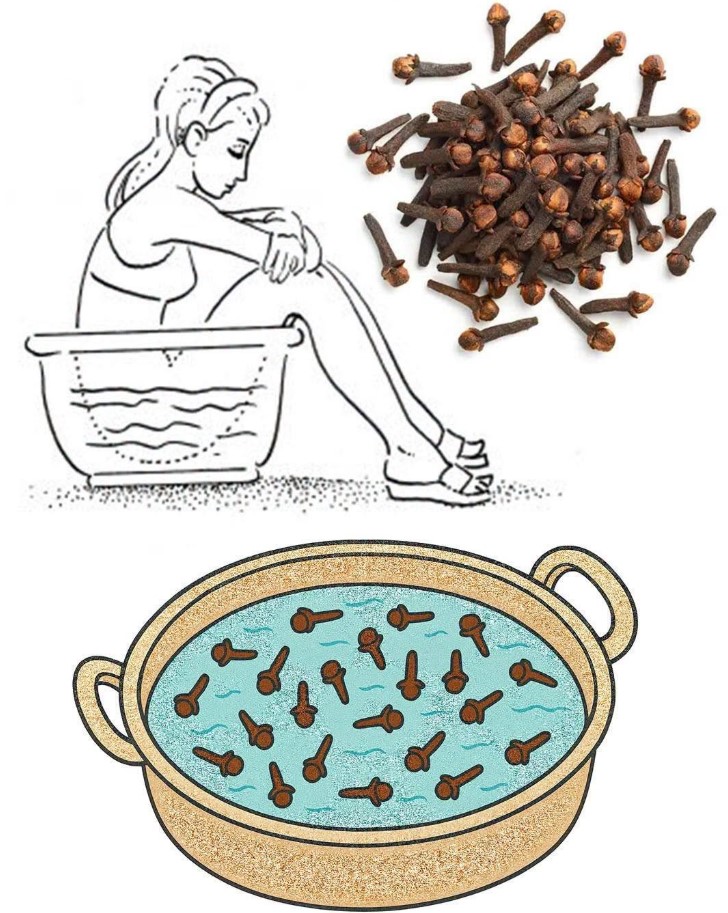
Natural home remedies have been used for generations to promote personal hygiene, relaxation, and overall well-being. Among these traditional practices, clove water sitz baths have gained attention as a simple, inexpensive method that some women use to soothe discomfort, freshen the intimate area, and enjoy a calming self-care routine. Cloves are well known for their warm aroma and contain natural plant compounds with antimicrobial and antioxidant properties, making them a popular ingredient in many traditional wellness practices.
While a clove water sitz bath can feel relaxing and may help cleanse the external skin around the pelvic area, it’s important to understand what it can—and cannot—do. It is not a cure for infections or medical conditions, nor should it replace professional healthcare when symptoms such as pain, unusual discharge, or persistent irritation occur. Instead, when prepared safely and used occasionally, a sitz bath can be a comforting addition to a healthy hygiene routine.
In this guide, we’ll explore what a clove water sitz bath is, its potential benefits, how to prepare one safely, important precautions to consider, and other gentle ways to support intimate wellness naturally.
What Is a Sitz Bath?
A sitz bath is a shallow bath in which only the hips, buttocks, and pelvic area are immersed in warm water. It has been recommended by healthcare professionals for many years to help soothe the area after childbirth, certain surgical procedures, or hemorrhoids.
Unlike a full bath, a sitz bath focuses specifically on the lower body and typically lasts between 10 and 20 minutes.
Many people add natural ingredients such as salt, oatmeal, chamomile, or herbs, although plain warm water is often sufficient for comfort and cleansing.
Why Are Cloves Used?
Cloves are the dried flower buds of the Syzygium aromaticum tree and have been valued for centuries in both cooking and traditional herbal practices.
They contain several naturally occurring compounds, including:
- Eugenol
- Flavonoids
- Tannins
- Antioxidants
- Essential oils
Laboratory studies have shown that clove extracts possess antimicrobial and anti-inflammatory properties. However, these findings do not necessarily mean that clove water baths can prevent or treat infections in humans.
Potential Benefits of a Clove Water Sitz Bath
Although scientific evidence is limited, many women enjoy clove water sitz baths for several reasons.
1. Gentle External Cleansing
Warm water alone can help cleanse the external genital area by removing sweat and surface debris.
Adding cloves may provide a pleasant natural fragrance without relying on heavily scented commercial products.
2. Relaxation
The warmth of the water helps muscles relax.
Many women report feeling calmer and more comfortable after a sitz bath, especially after long periods of standing, exercise, or menstruation.
3. Temporary Comfort
Some people find that warm sitz baths temporarily ease minor irritation or discomfort around the external skin.
The soothing effect often comes primarily from the warm water rather than the cloves themselves.
4. Aromatherapy Benefits
The spicy scent of cloves may create a relaxing atmosphere similar to other aromatic herbs.
This can make the experience feel more like a self-care ritual.
What a Clove Sitz Bath Cannot Do
It’s important to separate traditional beliefs from medical evidence.
A clove water sitz bath cannot:
- Cure yeast infections
- Treat bacterial vaginosis
- Eliminate sexually transmitted infections
- Tighten vaginal muscles permanently
- Restore hormonal balance
- Replace medical treatment
- Prevent pregnancy
Claims suggesting these benefits are not supported by strong scientific evidence.
How to Prepare a Clove Water Sitz Bath
If you would like to try one, preparation is simple.
Ingredients
- 2–3 tablespoons whole cloves
- 2 litres of clean water
Instructions
- Bring the water to a gentle boil.
- Add the cloves.
- Simmer for 10–15 minutes.
- Remove from the heat.
- Allow the mixture to cool until comfortably warm.
- Strain out the cloves if desired.
- Pour the water into a clean sitz bath basin or shallow tub.
- Sit in the water for approximately 10–15 minutes.
Avoid using water that is too hot, as it may burn or irritate delicate skin.
Safety Tips
Before trying any herbal sitz bath, keep these precautions in mind.
Test for Sensitivity
Although uncommon, some individuals may be sensitive or allergic to cloves.
If you notice burning, itching, redness, or swelling, stop using the bath immediately.
External Use Only
A sitz bath is intended only for the outside of the body.
Avoid inserting clove water or any herbal preparation into the vagina, as this may disrupt its natural balance.
Maintain Good Hygiene
Always use a clean basin or bathtub and fresh water.
Do not reuse leftover bath water.
Avoid Essential Oils
Pure clove essential oil is highly concentrated and can irritate the skin if applied directly or added in excessive amounts.
Whole cloves are generally a gentler choice for a traditional soak.
When Should You Avoid a Clove Sitz Bath?
Do not use a clove sitz bath if you have:
- Open wounds
- Severe skin irritation
- Active bleeding (unless advised by a healthcare professional)
- Known allergy to cloves
- Severe pelvic pain
- Fever
- Heavy abnormal discharge
- Signs of infection requiring medical attention
Pregnant women should consult their healthcare provider before using herbal remedies.
Other Gentle Ways to Support Intimate Health
Good intimate hygiene involves simple, evidence-based habits.
These include:
- Washing the external genital area with warm water and, if desired, a mild unscented cleanser
- Wearing breathable cotton underwear
- Changing out of wet clothing promptly
- Staying well hydrated
- Eating a balanced diet
- Practising safe sex
- Avoiding unnecessary douching or scented products
These habits are generally more important for vaginal health than herbal treatments.
Common Myths About Natural Intimate Remedies
Myth: Natural always means safe.
Not necessarily.
Even natural ingredients can trigger allergic reactions or skin irritation.
Myth: Herbs can cure vaginal infections.
Most infections require proper diagnosis and, in many cases, prescription medication.
Myth: Strong fragrances mean better hygiene.
Healthy intimate areas naturally have a mild scent.
Heavy perfumes can sometimes cause irritation rather than improve cleanliness.
Frequently Asked Questions
How often can I use a clove water sitz bath?
Occasional use is generally sufficient. If you experience discomfort after use, discontinue it and seek medical advice if symptoms persist.
Can it help after childbirth?
Some healthcare providers recommend plain warm sitz baths after childbirth. Before adding herbs such as cloves, consult your healthcare provider.
Is it safe during menstruation?
Many women use warm sitz baths during their menstrual cycle for comfort. Ensure the water and basin are clean.
Can it prevent infections?
There is no strong scientific evidence that clove sitz baths prevent vaginal infections.
Can teenagers use one?
Teenagers should speak with a parent or healthcare professional before trying herbal remedies, especially if they have symptoms that need medical evaluation.
Conclusion :
A clove water sitz bath can be a soothing and relaxing self-care practice that many women enjoy as part of their personal hygiene routine. The warmth of the water may help ease minor external discomfort, while the natural aroma of cloves can create a calming, spa-like experience. Although cloves contain plant compounds with antimicrobial and antioxidant properties, current scientific evidence does not support the idea that clove sitz baths can treat infections, restore vaginal health, or replace medical care.
The healthiest approach to intimate wellness combines good daily hygiene, breathable clothing, proper hydration, a balanced diet, and regular medical check-ups when needed. Herbal remedies such as clove water may complement these healthy habits, but they should always be used thoughtfully and with realistic expectations. It is also important to remember that the vagina is naturally self-cleaning, and excessive washing or the use of strong products can sometimes do more harm than good.
If you choose to try a clove water sitz bath, use clean equipment, prepare the mixture safely, and pay attention to how your body responds. Should you experience persistent itching, unusual discharge, pain, fever, or any other concerning symptoms, consult a healthcare professional promptly. By balancing traditional wellness practices with evidence-based health advice, you can make informed decisions that support both your comfort and your overall well-being.