For generations, people around the world have turned to medicinal plants as natural remedies for common aches, skin concerns, and minor health complaints. Among these traditional remedies, castor leaves have earned a reputation for their potential soothing and healing properties. Used in folk medicine across various cultures, these large, vibrant green leaves have often been applied as warm compresses or poultices to help relieve discomfort and support the body’s natural healing process.
While many people swear by the benefits of castor leaves, it’s equally important to understand what science says, how to use them safely, and when professional medical care is the better option. Natural remedies can complement a healthy lifestyle, but they should never replace proper medical treatment for serious conditions. Let’s explore the traditional uses, possible benefits, and essential safety precautions surrounding castor leaves.
What Are Castor Leaves?
Castor leaves come from the castor plant (Ricinus communis), a fast-growing plant cultivated in many tropical and subtropical regions. The plant is best known for producing castor oil, which has been used for centuries in skincare, hair care, and digestive health.
The leaves themselves are large, star-shaped, and packed with naturally occurring plant compounds, including antioxidants and anti-inflammatory substances that have made them popular in traditional herbal medicine.
It’s important to remember that while castor oil is carefully processed for safe use, other parts of the castor plant—including its seeds—contain ricin, a highly toxic substance. This is why proper handling and preparation are extremely important.
Traditional Uses of Castor Leaves
For centuries, herbal practitioners have used castor leaves externally to help ease a variety of everyday discomforts.
Common traditional applications include:
- Soothing sore muscles
- Relieving joint stiffness
- Supporting recovery from minor sprains
- Comforting tired feet
- Helping calm minor skin irritation
- Applying warm compresses over areas of discomfort
These traditional practices have been passed down through generations, although scientific evidence supporting every claim remains limited.
May Help Reduce Minor Inflammation
One reason castor leaves remain popular in traditional medicine is their potential anti-inflammatory properties.
When used as a warm compress, some people believe the leaves may help:
- Relax tense muscles
- Improve comfort around stiff joints
- Reduce temporary swelling from minor strains
- Encourage circulation to the affected area
Although many users report positive experiences, more clinical research is needed to fully confirm these effects.
A Natural Comfort for Aching Muscles
After long days of physical work or exercise, sore muscles can leave you feeling stiff and uncomfortable.
Warm castor leaf compresses have traditionally been applied to:
- Shoulders
- Lower back
- Knees
- Elbows
- Ankles
The combination of warmth and gentle compression may provide temporary comfort, similar to other heat therapies commonly recommended for muscle tension.
Supporting Healthy Skin
Some herbal traditions use castor leaves to soothe minor skin problems.
People have applied them to areas affected by:
- Dry skin
- Minor insect bites
- Mild irritation
- Temporary redness
- Small bruises
However, castor leaves should never be placed on deep wounds, infected skin, burns, or serious injuries without medical guidance.
Can Castor Leaves Help with Ganglion Cysts?
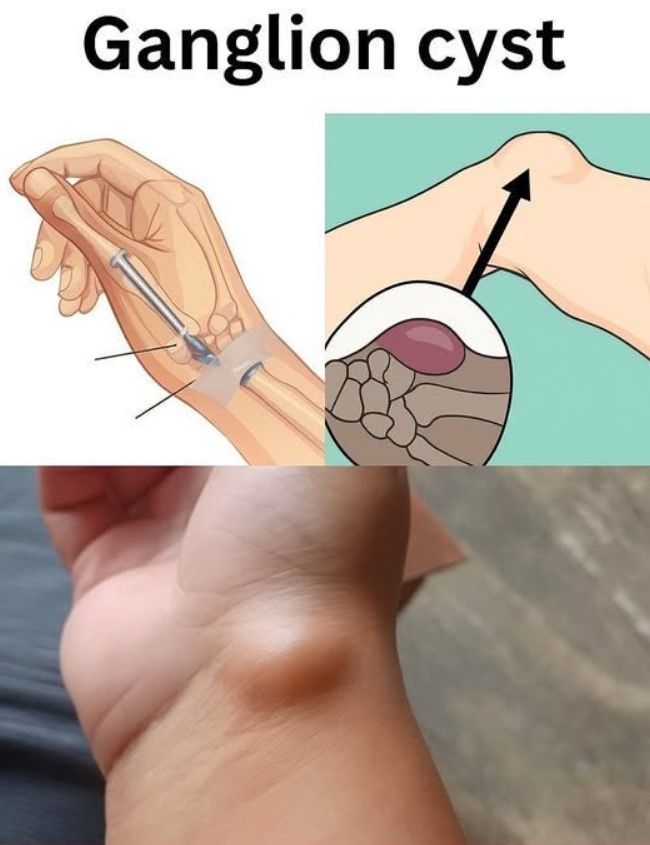
One popular home remedy involves placing warm castor leaves over ganglion cysts—small fluid-filled lumps that commonly appear around the wrist or hand.
While some people claim this helps reduce discomfort, there is currently no strong scientific evidence that castor leaves can shrink or eliminate ganglion cysts.
If a cyst becomes painful, grows rapidly, limits movement, or changes in appearance, it is important to seek evaluation from a healthcare professional rather than relying solely on home remedies.
How to Prepare a Castor Leaf Compress
If you choose to use castor leaves externally, proper preparation is essential.
A traditional method includes:
- Wash the fresh leaves thoroughly.
- Pat them dry.
- Warm them gently using steam or warm water—avoid overheating.
- Place the warm leaves over the desired area.
- Cover with a clean cloth.
- Leave in place for 15 to 30 minutes.
Always test the temperature first to avoid burns.
Safety Tips Before Using Castor Leaves
Although natural remedies may seem harmless, they can still cause unwanted reactions.
Keep these precautions in mind:
- Use only externally unless advised by a qualified healthcare professional.
- Never eat raw castor leaves or seeds.
- Avoid applying to broken or infected skin.
- Stop use immediately if irritation develops.
- Wash the leaves thoroughly before use.
- Keep the plant away from children and pets.
Who Should Avoid Castor Leaf Remedies?
Some individuals should be especially cautious.
Avoid using castor leaf treatments if you:
- Have known allergies to the castor plant.
- Have severe skin conditions.
- Are pregnant unless advised by your healthcare provider.
- Have unexplained swelling or severe pain.
- Suspect an infection.
Medical advice should always come first when symptoms are persistent or worsening.
The Difference Between Castor Leaves and Castor Oil
Although they come from the same plant, castor leaves and castor oil are not the same.
Castor oil is produced through careful processing that removes harmful substances, making it suitable for specific approved uses.
Fresh leaves are generally used only for external applications in traditional medicine and should not be confused with the processed oil found in stores.
What Does Science Say?
Researchers continue studying plant-based compounds found in castor leaves for their potential medicinal properties.
Some laboratory studies suggest they contain antioxidants and naturally occurring compounds with anti-inflammatory activity. However, high-quality human studies remain limited, and many traditional claims have not yet been fully verified through modern clinical research.
This doesn’t necessarily mean the remedies are ineffective—it simply means more evidence is needed before firm medical conclusions can be made.
When Should You See a Doctor?
Natural remedies may provide temporary comfort for minor aches, but certain symptoms require professional medical evaluation.
Seek medical care if you experience:
- Severe pain
- Rapidly growing lumps
- Persistent swelling
- Fever
- Signs of infection
- Difficulty moving a joint
- Symptoms lasting several weeks without improvement
Early diagnosis often leads to better treatment outcomes.
Conclusion :
Castor leaves have been valued in traditional herbal medicine for generations, with many people using them as warm compresses to ease sore muscles, support relaxation, and provide temporary relief from minor discomforts. Their long history in folk remedies reflects the enduring interest in natural approaches to wellness, and many users continue to appreciate them as part of their home care routines. While these traditional uses are deeply rooted in cultural practices, it’s important to recognize that modern scientific research has not yet confirmed all of the health claims associated with castor leaves.
If you decide to try castor leaves, use them thoughtfully and only for appropriate external applications. Always wash the leaves thoroughly, avoid applying them to broken or infected skin, and discontinue use if you notice irritation or an allergic reaction. Remember that natural does not always mean completely safe, especially when dealing with plants that contain potentially harmful compounds in certain parts.
Most importantly, view castor leaves as a complementary remedy rather than a replacement for professional medical care. Persistent pain, unusual lumps, severe inflammation, or symptoms that worsen over time should always be evaluated by a qualified healthcare provider. By combining traditional knowledge with modern medical guidance, you can make informed decisions that support both your safety and your overall well-being.