
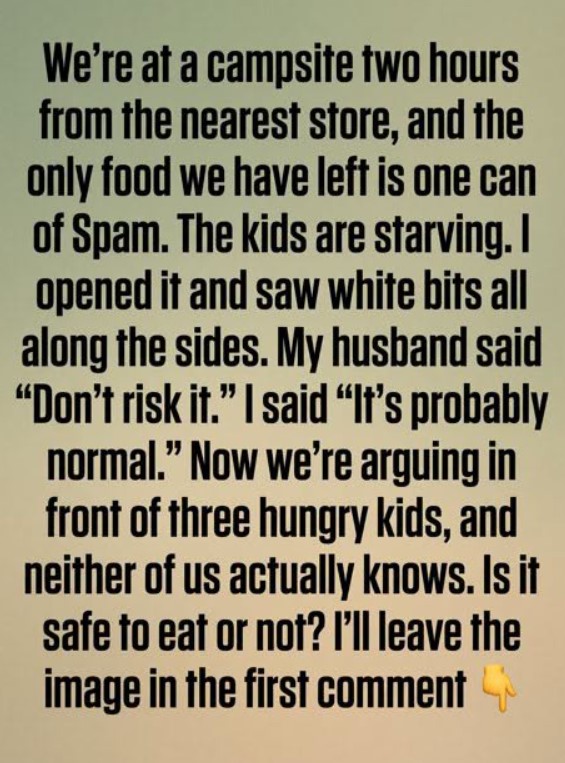
Have you ever opened a can of SPAM, sliced it into pieces, and noticed small white bits scattered throughout the pink meat? If you have, you may have wondered what they are, whether they are supposed to be there, and whether the canned meat is safe to eat.
SPAM has been a familiar pantry staple for generations. Some people enjoy it fried with eggs, others add it to sandwiches or rice dishes, and many appreciate how convenient it is to keep a can available for a quick meal. Yet its smooth texture and unusual appearance can leave first-time consumers with questions about what is actually inside.
Those little white spots can look surprising, especially when you expect every slice to have a uniform pink color. Some people assume they are pieces of fat, while others wonder whether they are bits of gristle or something added during manufacturing.
The good news is that small white areas in SPAM can have ordinary explanations related to the meat and the way the product is made. However, appearance alone cannot identify every white spot with certainty.
To understand what you are seeing, it helps to know what SPAM contains, how it is manufactured, and how to distinguish normal variations in the meat from signs that a canned product should not be eaten.
What Is SPAM Made Of?
Before discussing the white bits, it is helpful to understand what goes into SPAM Classic.
According to the official SPAM brand website, the product contains six main ingredients:
- Pork
- Salt
- Water
- Potato starch
- Sugar
- Sodium nitrite
These ingredients work together to create the product’s familiar texture, flavor, and shelf stability. <Cite refs={[“turn296243search1″,”turn296243search10”]}/>
Pork provides the main meat component. Salt contributes flavor and helps with the processing of the meat, while water helps maintain moisture. Potato starch helps bind the mixture and retain moisture, and sugar contributes a little sweetness. Sodium nitrite is used in the curing and preservation process.
The ingredients are combined with ground meat before the mixture is placed in cans, sealed, and cooked. This process produces the firm, sliceable texture that makes SPAM suitable for frying, grilling, baking, and adding to different recipes. <Cite refs={[“turn296243search4″,”turn296243search7”]}/>
Although SPAM is a processed meat product, its composition is not a mystery. The ingredient list provides a clear starting point for understanding what you see when you open a can.
It is also worth remembering that different SPAM varieties may have different ingredients. If you are eating a flavored version rather than SPAM Classic, check the label for the specific product.
What Are Those White Bits in SPAM?
Small white areas inside SPAM may be pieces of fat or other natural components of the meat mixture. Pork contains both lean muscle and fat, and these components can appear differently after grinding, mixing, and cooking.
The exact appearance depends on the meat, the manufacturing process, and how the product has been handled. A small pale spot within otherwise uniformly colored meat does not automatically mean that something is wrong.
1. Small Pieces of Pork Fat
One possible explanation for white bits is pork fat.
Like many meat products, SPAM contains meat components that naturally vary in color and texture. Fat is generally lighter than lean muscle, so small pieces may appear white or pale when you cut through the loaf.
Fat contributes to the texture and flavor of meat. Depending on the size and distribution of the pieces, it may create small pale areas that stand out against the pink meat.
If the white bits are embedded throughout the product and the meat otherwise looks normal, small variations in its composition may explain what you are seeing.
However, it is important not to assume that every white spot is fat. Appearance alone cannot establish its exact composition.
2. Differences in the Meat’s Texture
Ground and processed meat does not always have a perfectly uniform appearance.
Small differences in the way meat is distributed during processing can create areas that look slightly different when the finished product is sliced. These variations may become more noticeable when the loaf is cut into thin pieces or examined closely.
Some pale areas may also have a texture that differs from the surrounding meat. That does not necessarily mean they are harmful, but the appearance should be considered alongside the product’s condition, packaging, and storage history.
If the white areas are unusual, fuzzy, or accompanied by other signs of spoilage, do not assume that they are simply natural meat variations.
3. The Effects of Processing and Cooking
SPAM is made by combining ground meat with the other ingredients before sealing and cooking it in the can. This manufacturing process helps create the product’s characteristic consistency.
The mixture does not have to look perfectly identical at every microscopic point to produce a normal finished product. Differences in the distribution of meat components and moisture can affect the appearance of individual slices.
When SPAM is heated in a frying pan, oven, or microwave, the texture and appearance may change further. Pale areas can become more noticeable as the meat browns or releases some of its moisture.
Cooking can explain certain changes in appearance, but it cannot make spoiled food safe. If the product looks or smells suspicious before cooking, do not try to solve the problem by heating it.
Are the White Bits Fat or Something Else?
It is natural to want a definite answer when you notice something unusual in your food. Nevertheless, it would be inaccurate to say that every white bit in every can of SPAM is necessarily fat.
The product’s ingredients and manufacturing process help explain why pale areas may occur, but a photograph or visual inspection alone may not be enough to identify an individual spot.
If the pieces are small, embedded within the meat, and consistent with the product’s usual appearance, they may simply be ordinary variations in the meat mixture.
On the other hand, white material that appears fluffy, fuzzy, powdery, or newly formed on the surface deserves more caution. A damaged can, an unusual odor, unexpected discoloration, or a change in texture may also indicate a problem.
When in doubt, check the packaging and contact the manufacturer with the product’s lot information. If you suspect spoilage, discard the product rather than tasting it to determine whether it is safe.
Why Does SPAM Have a Pink Color?
Another question people sometimes ask is why SPAM remains pink rather than looking like freshly cooked pork.
The answer is partly related to its ingredients and curing process.
SPAM Classic contains sodium nitrite, which helps preserve the characteristic color of cured meat. This ingredient is also used in various other cured meat products. <Cite refs={[“turn296243search1″,”turn296243search7”]}/>
The combination of meat processing, curing, and cooking gives SPAM its familiar appearance and texture.
However, the pink color alone does not guarantee that a product is safe. Properly manufactured canned meat should also have intact packaging and be stored according to the label’s instructions.
If you notice unexpected discoloration, a damaged container, or other suspicious changes, do not rely on color alone to make a safety decision.
Is SPAM Safe to Eat?
SPAM Classic is a commercially processed, fully cooked canned meat product. Properly sealed, undamaged cans can be stored according to the manufacturer’s instructions, which makes the product convenient for pantry storage. <Cite refs={[“turn296243search5″,”turn296243search9”]}/>
However, like any food, it must be handled correctly.
Before opening a can, inspect it carefully. Avoid using cans that are bulging, leaking, badly rusted, or deeply dented, particularly around the seams. These conditions can indicate that the container’s integrity has been compromised.
After opening the can, examine the contents. The meat should have an appearance and smell consistent with the product. If you notice mold, an unusual odor, unexplained discoloration, or another suspicious change, do not taste it.
The fact that canned meat has been cooked during manufacturing does not mean every can remains safe indefinitely under all conditions. Packaging damage and improper storage can create risks.
Once opened, unused SPAM should be transferred to a suitable covered container, refrigerated promptly, and consumed within the manufacturer’s recommended period. Hormel’s guidance for its canned meats advises refrigeration after opening and consumption within three to five days. Check the instructions for your specific product. <Cite refs={[“turn296243search9”]}/>
How to Tell Normal Variations From Possible Spoilage
Knowing the difference between an ordinary variation and a possible warning sign can help you make safer decisions.
Signs That May Be Consistent With Normal Meat Variations
- Small, pale areas embedded within the meat.
- A texture that remains consistent with the product.
- No unusual odor or unexplained discoloration.
- An intact can that was stored according to the label’s instructions.
These observations may be reassuring, but they do not provide an absolute guarantee of safety.
Warning Signs You Should Not Ignore
- A can that is swollen, leaking, or badly damaged.
- Mold or fuzzy growth on the meat.
- An unusual or unpleasant odor after opening.
- Unexpected changes in color or texture.
- Liquid or material that looks suspicious and cannot be explained by the product’s normal appearance.
Do not taste questionable food to see whether it is spoiled. If the can is damaged or the contents look suspicious, discard the product safely.
If the white material is unusual and you cannot determine what it is, the safest option is to contact the manufacturer rather than guessing.
Does Cooking SPAM Change the White Bits?
The way you prepare SPAM can affect its appearance.
When you fry slices in a pan, the outside becomes browned and crisp while the inside remains relatively soft. This contrast can make pale areas more noticeable.
Baking or grilling SPAM may produce similar changes. Heat can alter the texture of the meat and affect how moisture and fat appear within the slices.
If the white bits are ordinary components of the meat, cooking may change their texture or make them easier to notice. But cooking will not reliably identify what the material is, and it should never be used to make suspicious food safe.
For best results, follow the product’s preparation instructions and use clean utensils and cooking surfaces.
Simple Ways to Enjoy SPAM
Once you have checked that the product is in good condition, SPAM can be used in a variety of simple meals.
Fried SPAM With Eggs
Slice the meat and fry it in a skillet until the edges are browned. Serve it with eggs and toast for a quick breakfast.
SPAM and Rice
Serve browned slices over steamed rice with vegetables. A small amount of soy sauce or another preferred seasoning can add flavor.
SPAM Sandwiches
Place thin slices between pieces of bread with lettuce, tomato, cheese, or your favorite condiments.
SPAM Fried Rice
Dice cooked SPAM and add it to fried rice with vegetables and scrambled egg. Because the meat is already seasoned, taste the dish before adding extra salt.
Baked SPAM Slices
Arrange slices in a baking dish and heat them according to a suitable recipe. You can add a glaze or serve them alongside roasted vegetables for a simple dinner.
These are just a few examples of how the product can be used. Its firm texture makes it versatile, although its sodium content is worth considering when planning meals.
A Note About Nutrition
SPAM can be convenient and provide protein, but it is also a processed meat product that can contain considerable sodium.
If you eat it regularly, check the nutrition label and consider the portion size. Pairing a moderate serving with vegetables, whole grains, or other less-processed foods can help create a more balanced meal.
People who need to limit sodium for medical reasons should pay particular attention to the label and follow advice from their healthcare professional.
The presence of small white bits does not, by itself, determine whether the product is nutritious or unhealthy. The overall ingredients, nutritional profile, portion size, and frequency of consumption are more relevant.
Frequently Asked Questions
Are the white bits in SPAM always fat?
Not necessarily. Small pale areas may be fat or other variations in the meat mixture, but appearance alone cannot identify every white spot with certainty.
Does SPAM contain unusual scraps of meat?
The manufacturer describes SPAM Classic as being made from pork and ham, along with salt, water, potato starch, sugar, and sodium nitrite. The official ingredient list is the best starting point for understanding the product. <Cite refs={[“turn296243search1″,”turn296243search0”]}/>
Can I eat SPAM straight from the can?
SPAM is fully cooked during manufacturing and can generally be eaten without additional cooking when the can is intact and the product has been stored correctly. Follow the label’s instructions and avoid eating anything that appears spoiled. <Cite refs={[“turn296243search9”]}/>
Why do some slices look different from others?
Variations in the meat mixture, the way the product is sliced, and the lighting can make some areas appear lighter or darker. However, unexplained changes should not automatically be dismissed as normal.
Should I throw away SPAM if I see white spots?
Not necessarily. Small, ordinary-looking pale areas may be natural variations in the meat. If the material is fuzzy, unusual, or accompanied by a bad odor, damaged packaging, or other suspicious signs, do not eat the product.
How long does SPAM last after opening?
Conclusion :
Those little white bits in SPAM can look mysterious, particularly when you expect the meat to have a completely uniform pink appearance. In many cases, pale areas may be related to natural differences in the meat or its texture during processing. However, it is not possible to identify every white spot with certainty simply by looking at it.
SPAM Classic has a published ingredient list consisting of pork, salt, water, potato starch, sugar, and sodium nitrite. Understanding these ingredients and how the product is manufactured helps explain its familiar texture, color, and appearance.
The most important thing is to pay attention to the overall condition of the food. Small pale areas alone do not automatically mean a can is spoiled, but mold, unusual odors, unexpected changes, or damaged packaging should never be ignored. When you are unsure, do not taste the product to test it; contact the manufacturer or discard it if safety is in doubt.
With proper storage and careful handling, canned meat can be a convenient ingredient for quick meals. And the next time you open a can of SPAM and notice a few white spots, you will have a better understanding of what they might be—and why it is important not to make assumptions based on appearance alone.